Promoting Safety for
Miniature Railways
The Passenger Carrying Miniature Railway Safety Group (PCMRSG), has published guidance for operators of passenger-carrying miniature railways; HS2020 - Managing health and safety at passenger-carrying miniature railways
PCMRSG are indebted to the Health and Safety Executive (HSE) for their support and encouragement throughout the drafting of the guidance and are delighted to have received the following endorsement from them.
“The Health and Safety Executive (HSE) was involved with Passenger Carrying Miniature Railway Safety Group in producing this guidance. HSE endorses the guidance, as it follows a sensible and proportionate approach to managing health and safety."
About this guidance and who it is for
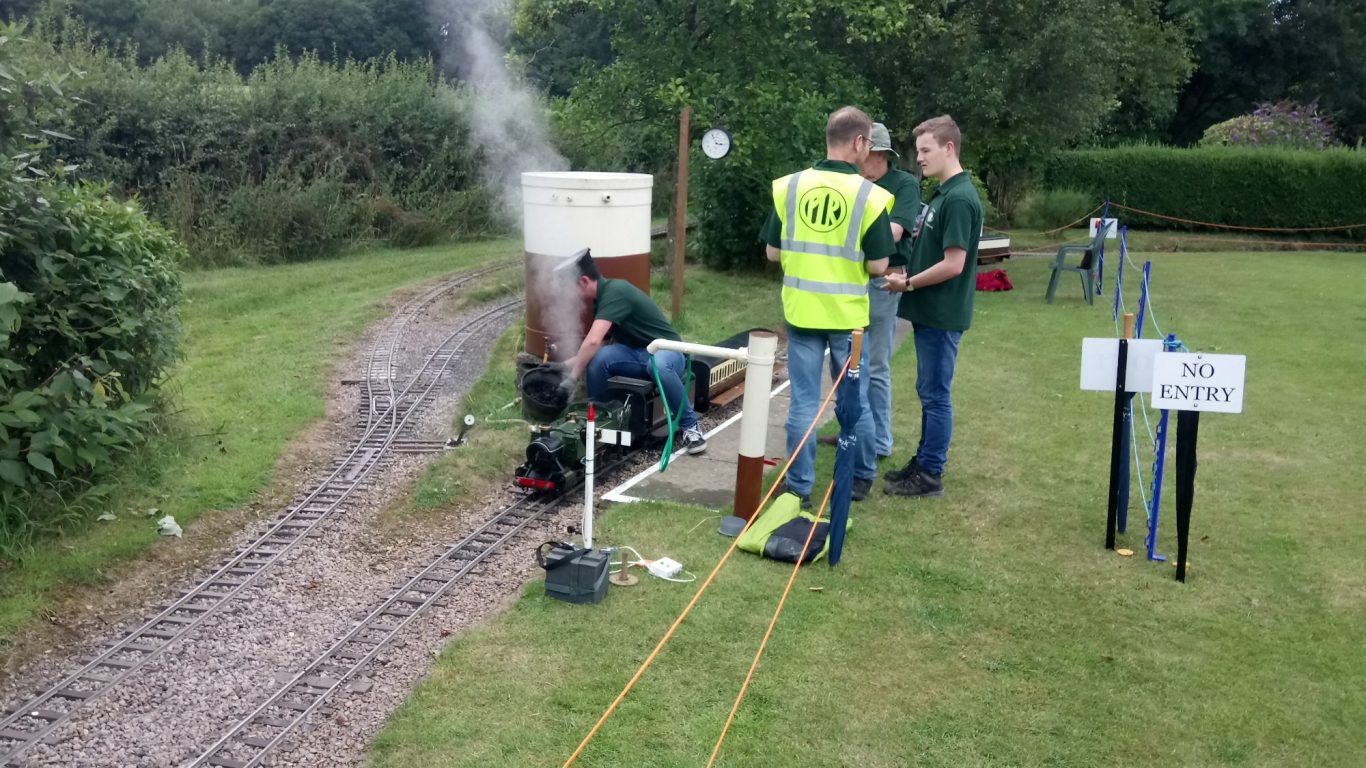
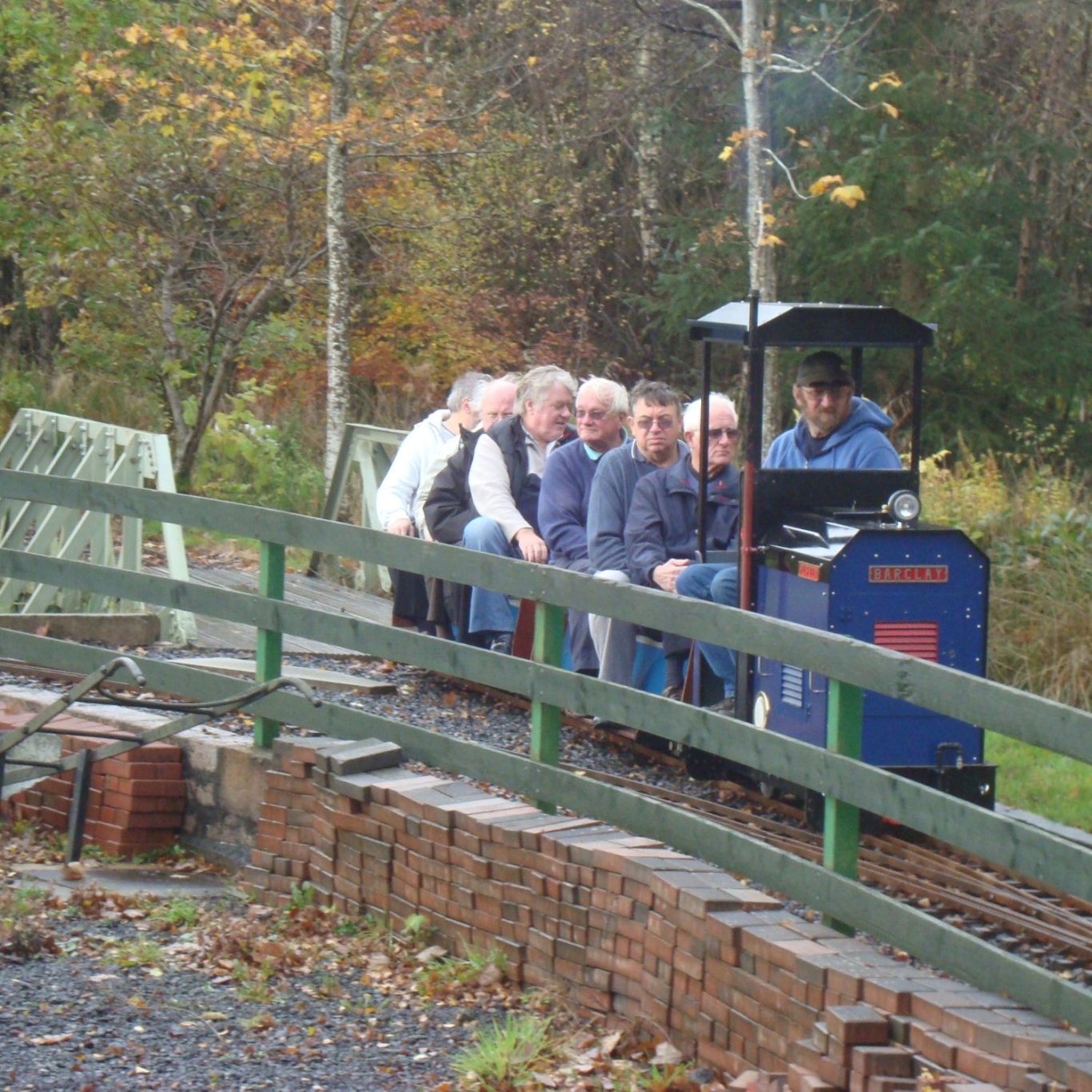
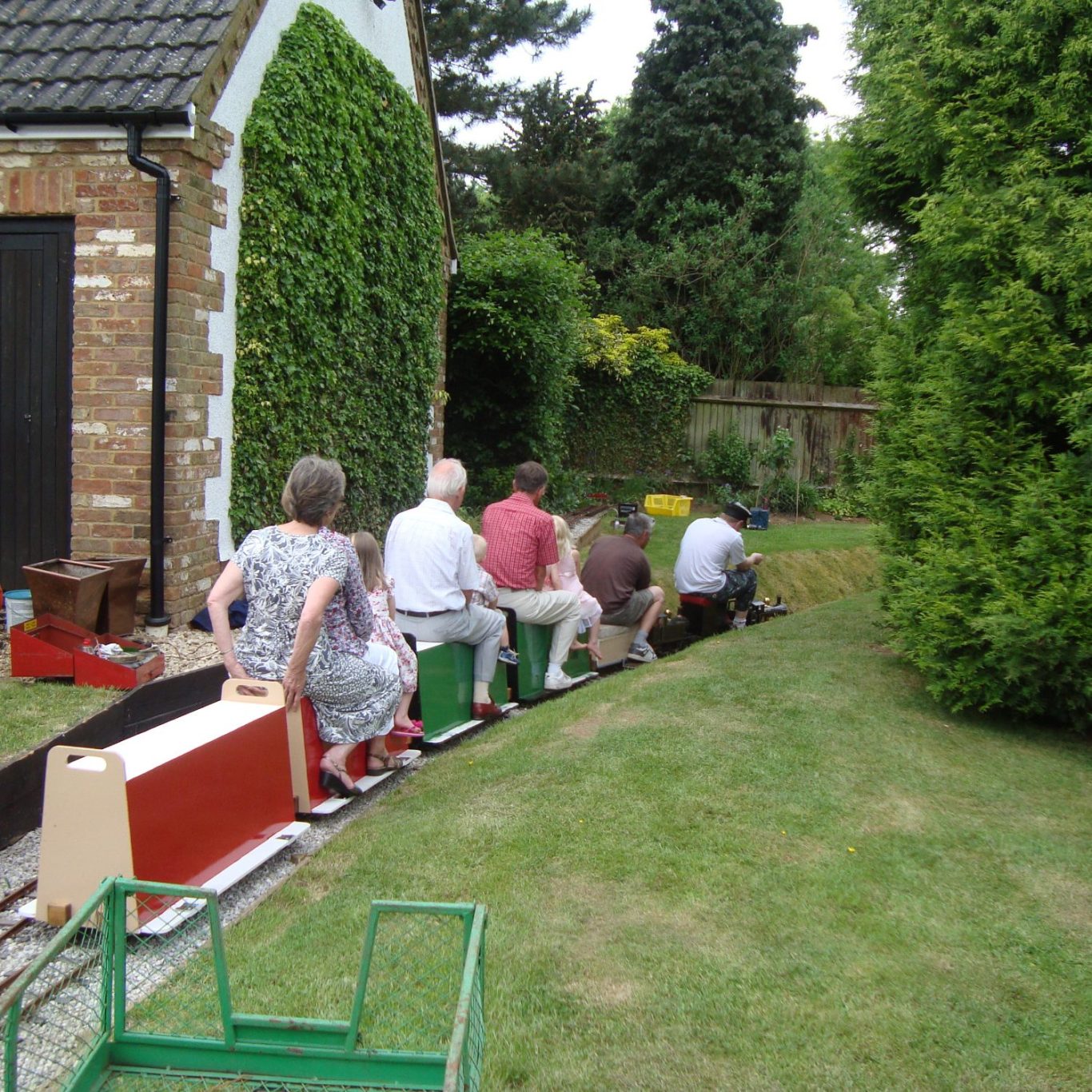
Across the UK there is strong interest in miniature railways. It is important that the operators of passenger-carrying miniature railways manage the health and safety of all involved with this popular leisure activity providing enjoyment for participants, passengers and visitors alike.
This guidance is aimed at helping organisers and operators of passenger-carrying miniature railways to understand what they need to do to comply with the Health and Safety at Work etc Act 1974 (the HSW Act) and the regulations made under it.
This guide is for track gauges up to 350mm (13¾”) that do not cross a public highway. Track gauges of 350mm (13¾”) and above, or those less than 350mm that cross a public highway, fall within the jurisdiction of the Office of Rail and Road (ORR). Very small gauges, up to about 63.5mm (2½"), are not commonly used for passenger-carrying trains, though there may be exceptions. Very small gauges used for passenger carrying should follow the guidance.
3
Years of Consultations
HS 2020
Guidelines Published In 2020
12
Key Stakeholders Involved
Authoritative Guidelines
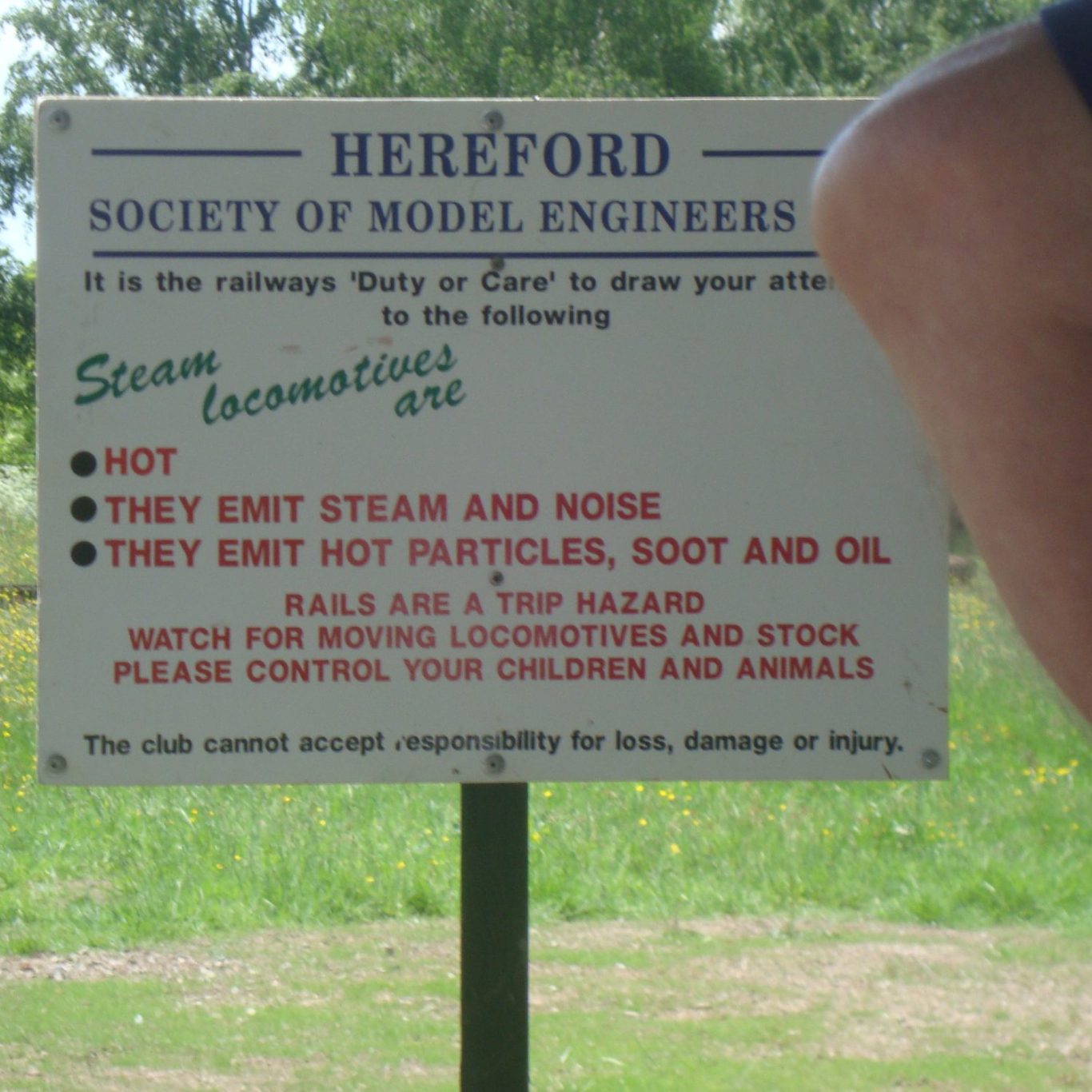
Private clubs and operations run by volunteers may not fall under the HSW Act and the regulations made under it, but they still have a duty of care to protect the public, their members and visitors. Failure to do so may result in civil action. In general, the same health and safety standards should be applied to voluntary workers as they would to employees exposed to the same risks. However, if the risk assessment shows that the risks to voluntary workers are different, the preventative and protective measures taken should reflect the different risks.
Minimising Accidents
Accidents are not prevented by written words. The incidence and consequences of accidents are minimised by people exercising their intelligence, knowledge, competence and imagination in considering and reducing the potential for harm in any activity.
This guide will help with the safe operation at permanent venues such as private clubs and commercial miniature railway attractions or at temporary venues such as portable tracks erected for fairs, garden parties and festivals. It will help organisers to minimise risks in a proportionate way, which does not unduly restrict participation in this leisure activity.
Practical Advice
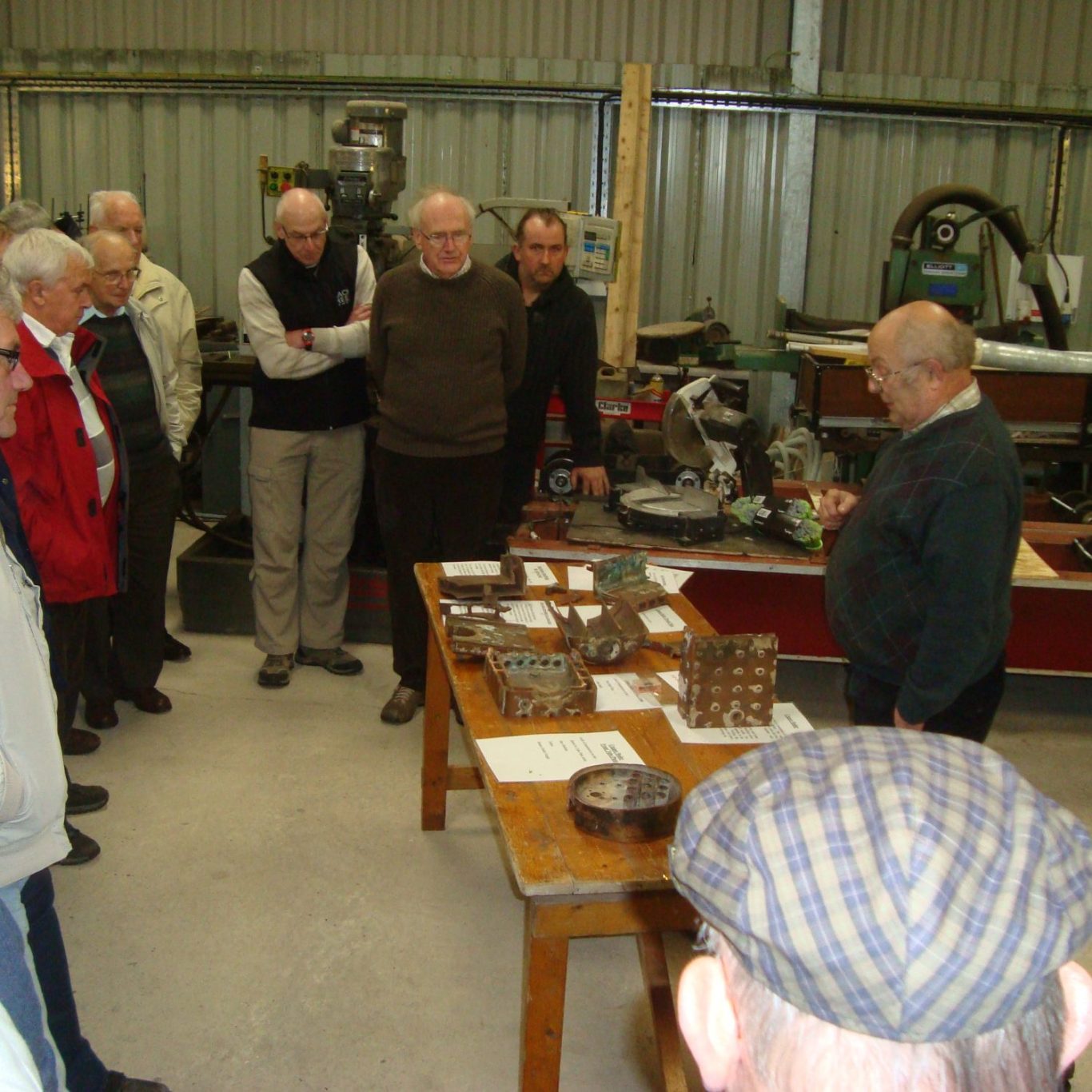
This guide outlines the main risks of passenger-carrying miniature railways and some of the steps that can safeguard the health and safety of employees, operational staff, passengers and visitors, and contains practical advice for operators organising or managing passenger-carrying miniature railways.
Comprehensive
Health and safety aspects covered include safety management, competency of those involved, layout and design of a railway, the track system, platforms, locomotive and rolling stock design, the control of train movements, level crossings, inspection, maintenance, record keeping, service area safety, noise, safe use of equipment, manual handling, hazardous materials and fire and electrical safety.
Get in touch
Telephone: +44 1327 342 167
E-mail: info@pcmrsg.org.uk